Packing: the method that works
· Vol Spot
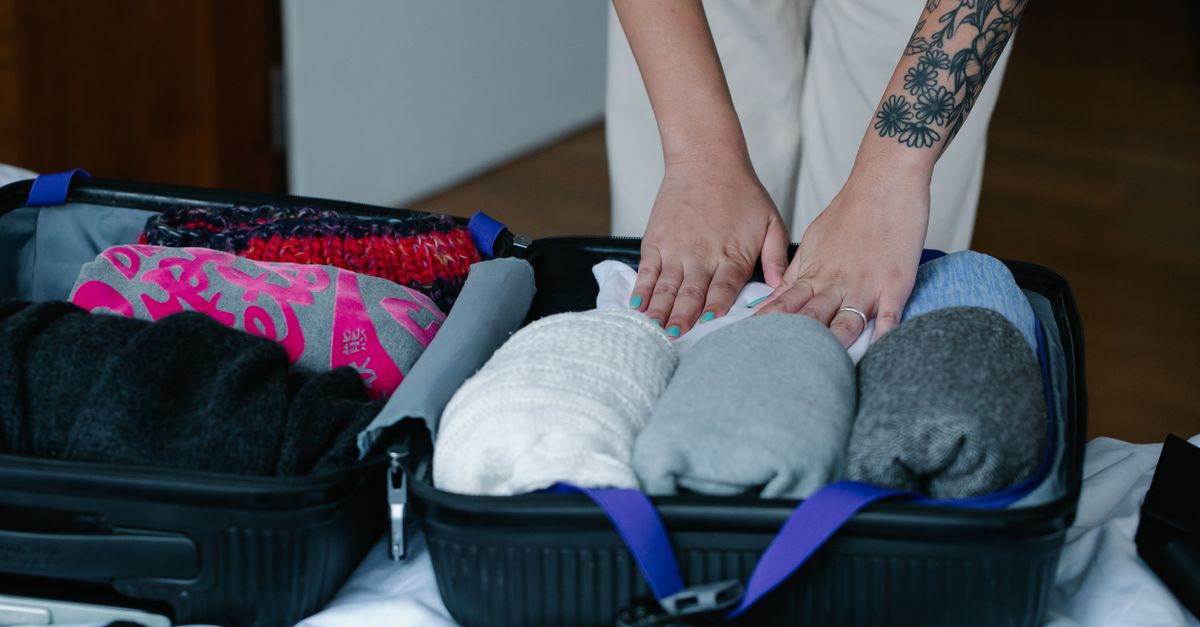
Almost everyone takes too much. You come home with clothes never worn, a suitcase too heavy on the way out and impossible to close on the way back.
Taking less is not about discipline, it is about method. Here is the one that works, and the few things you genuinely must not forget.
Start from a palette, not a wardrobe
The most effective method is choosing two or three colours that work together, then taking only clothes in that palette. Everything combines, and you get twice the outfits from half the pieces.
Then count in days rather than items: three tops, two bottoms and one warm layer cover a week if everything matches. Beyond seven days, do not take more, plan a wash. Almost every accommodation has an option, and an apartment with a machine settles it for a month-long trip.
The test that never fails: lay everything on the bed, then remove a third. That third is almost always what you would not have worn.
What has to travel in the cabin
Even with a checked bag, some things should never leave your cabin bag. Bags nearly always arrive, but when one is two days late, this list is exactly what you are missing.
- Medication : In original packaging, with a few days more than you planned for. A foreign prescription is not replaced in an hour.
- Documents and keys : Passport, cards, printed bookings, house and car keys. None of it can be replaced from a distance.
- One complete change of clothes : Enough for 24 hours, underwear included. It is the difference between an inconvenience and a problem.
- Chargers and a power bank : Lithium batteries are in fact banned from the hold: they must travel in the cabin, without exception.
Liquids and security mistakes
The liquids rule costs the most time at screening: containers of 100 ml or less, all in a single one-litre transparent resealable bag, taken out of your luggage.
The detail that catches people: it is the container size that counts, not how much is left in it. A half-empty 200 ml tube is refused.
Switch to solid formats where you can. Solid shampoo, toothpaste tablets and a stick deodorant do not count toward the liquids bag, which frees the space for what only exists as liquid.
Check your pockets and the bottom of your backpack before leaving, too. A pocketknife forgotten in a side pouch is the most ordinary way to lose something you cared about.
Packing and weighing
Rolling soft clothes rather than folding takes less space and creases less. Packing cubes compress nothing by themselves, but they stop you unpacking everything to find a pair of socks.
Put the heaviest things, shoes especially, at the wheel end. The case stands better and handles better.
Weigh before leaving with a bathroom scale: stand on it holding the case, stand on it without, take the difference. And leave room for the return. The most useful rule of all: leave the case at about 80% full on the way out.